
ชื่อ:เจนภพ คุณยอดยิ่ง (สมาชิก) |
The cannabis industry has experienced rapid growth and transformation in recent years, driven by increasing legalization and demand for both medical and recreational use. As the market expands, cannabis farmers are turning to innovative techniques to optimize yields, enhance quality, and promote sustainability. This article explores some of the most cutting-edge techniques revolutionizing cannabis farming today.
Hydroponic and Aeroponic Cultivation
Hydroponics and aeroponics are soil-free cultivation methods that provide cannabis plants with nutrient-rich water or mist. These techniques offer several advantages. Faster growth rates are achieved as nutrients are delivered directly to the roots, promoting faster development. Resource efficiency is another benefit, as these methods use significantly less water than traditional soil-based farming. Additionally, controlled environments allow growers to maintain precise control over nutrients, pH levels, and lighting. The absence of soil also reduces vulnerability to soil-borne pests and diseases.
Vertical Farming
Vertical farming maximizes space by growing cannabis plants in stacked layers. This method is particularly effective for urban and indoor farming setups. It allows cultivation in smaller areas, increasing productivity per square foot. Advanced LED lighting systems reduce energy consumption while providing optimal light spectrums. Controlled environments further enable year-round harvests, ensuring continuous production regardless of seasonal changes.
Automated Systems and IoT Integration
Smart farming technologies are transforming cannabis cultivation by integrating automation and Internet of Things (IoT) devices. Exploring Innovative Techniques in Cannabis Farming includes climate control systems with automated sensors that monitor temperature, humidity, and CO2 levels, making adjustments as needed. Nutrient delivery systems precisely dose fertilizers and nutrients, reducing waste and enhancing growth. Remote monitoring tools allow growers to track and manage operations through smartphone apps, ensuring real-time oversight.
Organic and Sustainable Practices
Consumers are increasingly demanding organic cannabis products. Farmers are adopting sustainable practices to meet this demand, such as living soil techniques that use compost, microorganisms, and cover crops to build nutrient-rich soil naturally. Integrated Pest Management (IPM) reduces chemical use by introducing beneficial insects and organic treatments. Renewable energy sources, including solar panels and wind turbines, power operations, while water recycling systems capture and reuse water to minimize waste.
Genetic Engineering and Breeding Programs
Innovations in genetic research enable farmers to develop cannabis strains tailored for specific purposes. Advancements include disease-resistant strains that combat pests and pathogens, enhanced cannabinoid profiles customized to be rich in CBD, THC, or other cannabinoids, and improved terpene profiles that offer better flavors and aromas to meet market preferences.
Lighting Innovations
Lighting technology has a significant impact on cannabis cultivation. Modern lighting systems, such as LED and plasma lights, offer energy savings through lower power consumption compared to traditional HPS lights. Customizable spectrums provide specific light wavelengths tailored for vegetative and flowering stages, while heat reduction ensures LEDs emit less heat, reducing the need for cooling systems.
Conclusion
Innovative techniques in cannabis farming are paving the way for higher yields, better quality, and more sustainable production methods. As technology continues to advance, growers will have even more tools at their disposal to meet the evolving demands of the cannabis market. By adopting these modern practices, the cannabis industry can ensure long-term growth while minimizing its environmental footprint.
รูปภาพ : 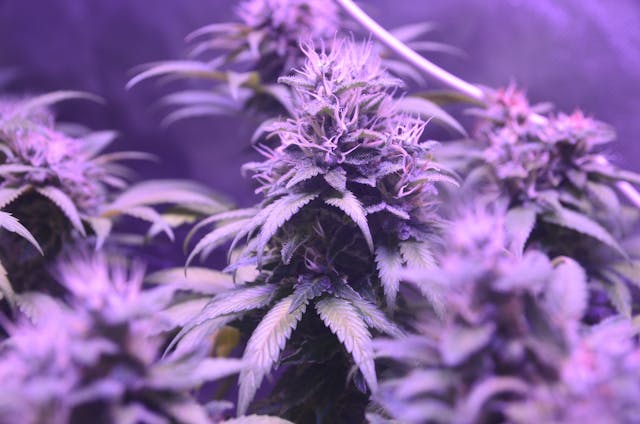 |


 ตะกร้าสินค้า (0)
 ตู้ไม้สักจิ๋วลายไทย-ตู้ไม้งานโมเดิร์น mini thai wood cabinet