
ชื่อ:เจนภพ คุณยอดยิ่ง (สมาชิก) |
In recent years, the cannabis industry has undergone a significant transformation, with an increasing focus on sustainability and organic farming practices. As consumers become more conscious of the products they consume, the demand for organic cannabis has skyrocketed, marking the beginning of a new era for cannabis cultivation.
The Shift Toward Organic Cultivation
Traditional cannabis farming often involves synthetic fertilizers, pesticides, and chemical treatments that can leave harmful residues on the plant and in the environment. However, organic cannabis farming emphasizes natural methods, such as composting, crop rotation, and biological pest control, to produce cleaner and more sustainable products.
One driving factor behind this shift is consumer awareness. Modern cannabis users are prioritizing health and environmental impact, leading to an increased preference for organically grown cannabis. Organic certification has become a mark of quality, signaling a commitment to purity and sustainability.
Benefits of Organic Cannabis Farming
-
Healthier Products - Organic cannabis is free from synthetic chemicals, providing a cleaner product for consumption.
-
Environmental Sustainability - Organic practices reduce soil degradation, water contamination, and carbon footprints, promoting a more eco-friendly approach.
-
Enhanced Quality - Many growers and consumers claim that organic cannabis offers richer flavors and higher terpene profiles due to natural cultivation methods.
-
Regenerative Agriculture - Organic farms often adopt regenerative techniques that restore soil health and biodiversity.
Challenges in Organic Cannabis Farming
Despite its benefits, organic cannabis farming presents several challenges. Meeting strict organic certification standards can be costly and time-consuming. Farmers must carefully manage soil health, pest control, and nutrient levels without relying on synthetic additives. Additionally, scaling up organic operations to meet growing demand while maintaining quality remains a complex task.
The Future of Organic Cannabis
The rise of organic cannabis farms signals a broader trend toward sustainability in agriculture. As regulations around cannabis continue to evolve, industry standards for organic certification are likely to become more defined and accessible. Innovations in sustainable farming technology, such as aquaponics and vertical farming, are also expected to play a crucial role in the future of organic cannabis cultivation.
In conclusion, The Rise of Organic Cannabis Farms: A New Era represents a promising step toward a healthier and more sustainable industry. With growing consumer interest and technological advancements, this trend is poised to redefine cannabis production for years to come.
รูปภาพ : 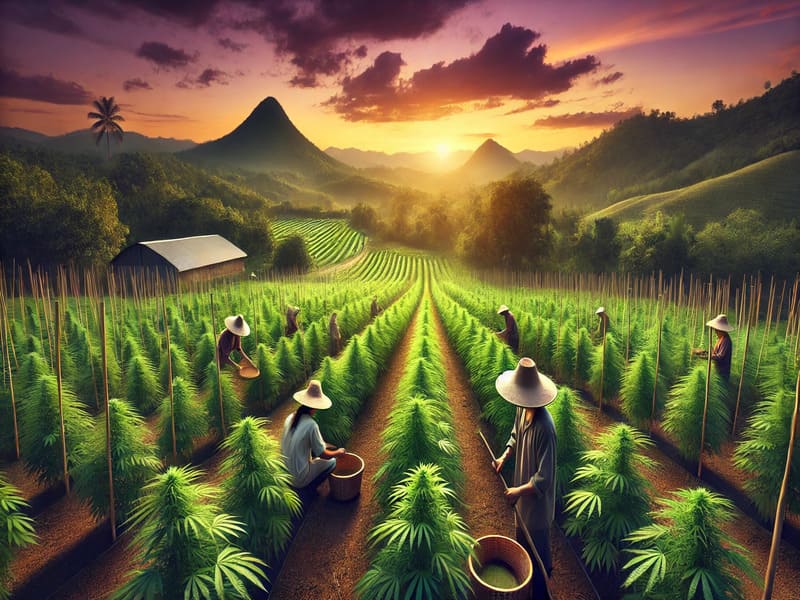 |


 ตะกร้าสินค้า (0)
 ตู้ไม้สักจิ๋วลายไทย-ตู้ไม้งานโมเดิร์น mini thai wood cabinet