
ชื่อ:เจนภพ คุณยอดยิ่ง (สมาชิก) |
The cannabis industry in Asia has experienced significant growth in recent years, driven by changing legal landscapes, increasing demand for medical and recreational cannabis, and the region’s favorable climate for cultivation. While traditionally associated with regions like North America and Europe, Asia is now emerging as a major player in the global cannabis market.
Historical Context
Cannabis has a long history in Asia, particularly in countries like India, China, and Thailand. In India, cannabis has been used for religious and medicinal purposes for centuries, while ancient Chinese texts document its use for pain relief and other medical applications. However, in the 20th century, many Asian countries implemented strict laws against cannabis due to international pressure and changing societal norms.
Legalization and Regulation
In recent years, several Asian countries have begun to reconsider their stance on cannabis. Thailand made headlines in 2018 by becoming the first Southeast Asian country to legalize medical cannabis. Since then, it has further relaxed its laws, allowing for the cultivation of cannabis for both medical and economic purposes.
Other countries, such as South Korea and Japan, have legalized certain forms of medical cannabis, albeit under strict regulations. Meanwhile, countries like India and Nepal are exploring the potential of regulated cannabis cultivation, recognizing its economic and medicinal value.
Key Players and Locations
-
Thailand: Thailand is a regional leader in cannabis cultivation, with numerous farms established to meet both domestic and international demand. The Thai government has actively promoted cannabis as a cash crop, particularly for small-scale farmers.
-
India: In regions like Himachal Pradesh and Uttarakhand, the Himalayan climate provides ideal conditions for cannabis cultivation. While recreational cannabis remains illegal, there is growing interest in legalizing its cultivation for industrial and medical purposes.
-
China: Although recreational cannabis is strictly prohibited, China is one of the world’s largest producers of hemp, a non-psychoactive variant of cannabis. The country’s vast agricultural resources and advanced technology have positioned it as a key player in the global hemp market.
Economic Potential
The cannabis industry presents a significant economic opportunity for Asian countries. Legalization has the potential to generate billions in revenue through taxation, exports, and job creation. Countries like Thailand are already exporting cannabis products to international markets, while India and Nepal could capitalize on their traditional knowledge and agricultural expertise.
Challenges and Concerns
Despite its potential, the cannabis industry in Asia faces several challenges:
-
Regulatory Hurdles: The lack of uniform regulations across the region complicates cross-border trade and investment.
-
Cultural Stigma: In many Asian societies, cannabis is still viewed negatively, which can hinder its acceptance and growth.
-
Quality Control: Ensuring consistent quality and adhering to international standards are critical for Asian cannabis products to compete globally.
Future Prospects
As attitudes towards weed farm continue to evolve, Asia’s role in the global cannabis industry is likely to expand. Innovations in cultivation techniques, combined with growing research into cannabis’s medical benefits, will drive further growth. With strategic investments and supportive policies, Asia could become a hub for cannabis production and innovation.
Conclusion
Cannabis farms in Asia represent a burgeoning industry with immense potential. By leveraging their natural resources, traditional knowledge, and evolving legal frameworks, Asian countries can position themselves as leaders in the global cannabis market. However, achieving this will require balancing economic ambitions with social and regulatory responsibilities.
รูปภาพ : 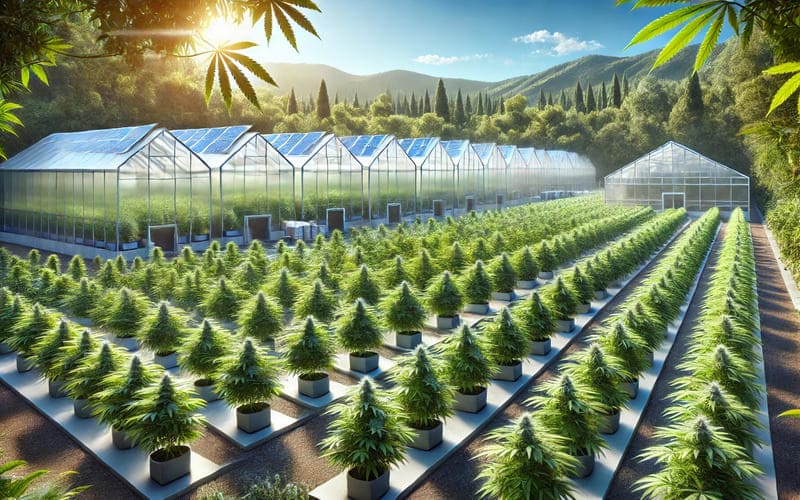 |


 ตะกร้าสินค้า (0)
 ตู้ไม้สักจิ๋วลายไทย-ตู้ไม้งานโมเดิร์น mini thai wood cabinet